Book a Consultation

Snapshots / Systems Migration / Fragmented Vendor Consolidation & ERP Migration

By Iffy Kukkoo
03 Dec 2025
Fragmented Vendor Consolidation & ERP Migration
Digital Consultancy | December 2025
Removing complexity from multi-system environments.
Consolidated a fragmented ecosystem of 60+ vendors into a unified, self-hosted open-source ERP platform with centralized identity management, delivered five months ahead of schedule.
Operational Context
A long-established consultancy faced critical operational inefficiencies due to a fragmented technology stack involving over 60 vendors, including major hyperscalers and legacy operators across multiple time zones. The reliance on disparate subscription models resulted in opaque costs, frequent production blocks, and unexpected downtime that frustrated users and hindered growth.
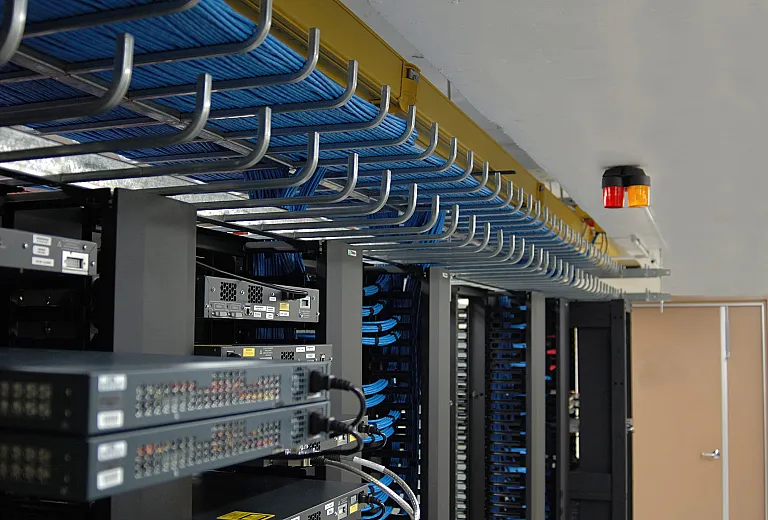
The client required a comprehensive discovery and a strategic road map to transition from a fragmented CRM-led environment to a cohesive, open-source ERP core. The objective was to centralize identity management, migrate all digital infrastructure to self-hosted servers, and establish full redundancy and disaster recovery planning. The project needed to restore absolute control over company data while improving the working environment for a distributed workforce.
| Engineering Scope |
|---|
| Strategic discovery and vendor consolidation road map development |
| Migration from fragmented CRM to a centralized open-source ERP system |
| Implementation of centralized identity management with seamless passkey access |
|
Deployment of self-hosted infrastructure for email, chat, and core applications |
| Design and implementation of full redundancy and disaster recovery planning |
| Risk & Impact Management |
|---|
| Reduced operational complexity by eliminating 60+ vendor dependencies |
| Delivered the full migration five months ahead of the original six-month target |
| Restored absolute control and visibility over all company data (accounts, operations, public-facing) |
| Eliminated unpredictable downtime and production blocks caused by fragmented systems |
| Provided a clear, documented cost model for three-year financial planning and reporting |
Delivery Model
Delivered under a single accountable engineering team that managed the full lifecycle from initial discovery through to the final handover of the consolidated ERP environment. By coordinating the migration of infrastructure, data, and identity management in a unified stream, the team ensured a seamless transition that restored operational stability and provided the client with a sustainable, cost-effective technology foundation.

Have a Question or Need an Answer?
Ask our Live Chat and we will include it in our FAQ’s to make things easier for others
Delivery Phases
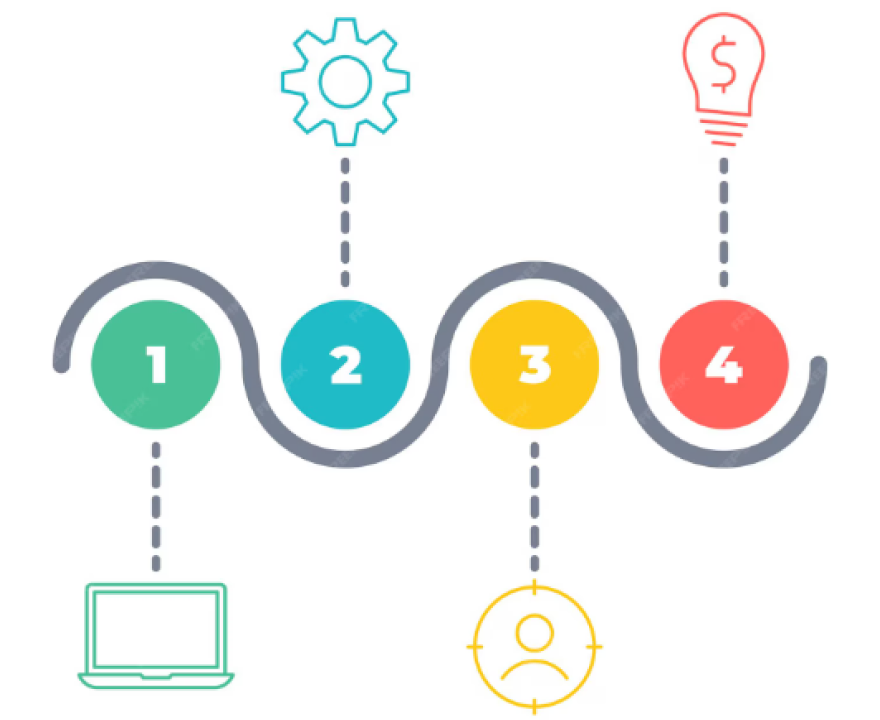
As an end-to-end, full-cycle provider, our pricing is based on defined delivery phases, rather than individual labour tasks.
Each phase represents a bundled set of professional activities, expertise, risk ownership, and accountability required to deliver a defined outcome
Clients may engage us for any combination of these phases depending on the scope of the task or project.

Pricing Model
Our pricing model is outcome-based and phase-driven. Clients select the delivery phases they require, and pricing is applied accordingly using our methodology matrix, rather than time-and-materials.
This model enables:
An additional benefit is that this approach enables clear, high-level vendor comparison across enterprise technology engagements.
Delivery Model
Delivered across defined consultation, integration design, installation, validation, and handover phases, under a single accountable engineering team.